What to Look for in Portland Electrical Panel Upgrades for Safer Electrical Systems
What to Look for in Portland Electrical Panel Upgrades for Safer Electrical Systems
Blog Article
Enhance Your Home With Our Circuit Panel Upgrade for EV Chargers
Upgrading a home’s electrical panel is growing increasingly essential, particularly for electric vehicle owners. This enhancement not only accommodates the growing power requirements of EV chargers but also improves overall safety and efficiency. Homeowners may ask about the specific benefits of such an upgrade and how to determine when it's necessary. Understanding the nuances of this process can greatly affect future energy needs and property value. What considerations should be made before moving forward?
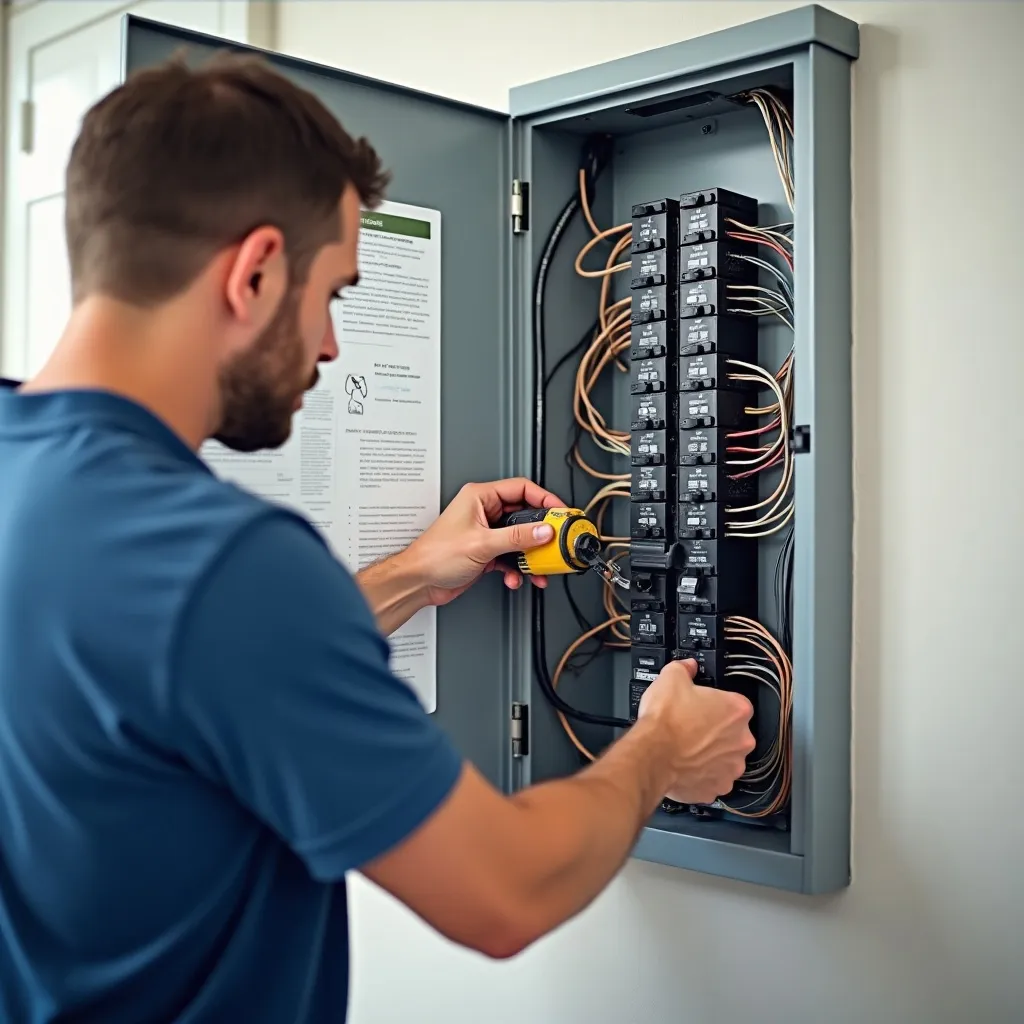
Why Enhance Your Electrical System for EV Charging Equipment?
An electrical panel upgrade becomes essential when planning the installation of electric vehicle (EV) chargers, as outdated systems may not support the increased power demands. Many aged systems are deficient in the ability to manage the extra load needed for EV charging, which can result in potential safety hazards and inefficiencies. Moreover, current electrical lines may be inadequate, causing potential overheating or power system breakdown.
Homeowners ought to review the surging adoption of EV deployment; a cutting-edge electrical panel delivers consistency with advancing technologies. Additionally, local standards and ordinances frequently impose modernized apparatus to meet safety standards. An upgraded electrical unit can improve the execution process, lessening obstacles and costs. To summarize, channeling investment into a modern power system simultaneously supports the immediate need for EV charging and fortifies the complete electrical infrastructure, laying groundwork for future improvements and resource-efficient technologies.
Key Perks of Enhancing Your Electrical Panel for EV Charging
An upgraded electrical panel offers several advantages when it comes to enabling EV charging installations. First, it boosts the home's electrical capacity, allowing for faster charging times and facilitating various electric vehicle charging units. This is particularly beneficial for households with more than one electric vehicle.
Moreover, a contemporary electrical panel enhances safety by ensuring circuits manage increased loads without the danger of overheating or fire hazards. It also delivers better energy efficiency, which may generate reduced power costs over time.
Furthermore, upgrading the electrical panel can increase the overall worth of the home, making it more attractive to potential buyers seeking sustainable living options.
Lastly, a new panel often comes with advanced features like intelligent system connectivity, enabling homeowners to monitor energy usage and optimize charging schedules. Overall, these benefits make upgrading a smart choice for those contemplating EV ownership.
Indications Your Home May Need an Electrical Panel Upgrade?
Property owners may recognize red flags suggesting the need for an electrical panel upgrade, in particular ongoing breaker malfunctions and insufficient electrical supply. These obstacles can interfere with the working condition of new equipment and electric vehicle chargers. Noticing these signs promptly can help avert more major power problems in the long term.
Insufficient power supply manifests in multiple forms, often indicating a need for an electrical panel upgrade. Homeowners may notice lights dimming during appliance use or experience slow device charging, signaling that their current system cannot handle the demand. Additionally, multiple outlets not functioning simultaneously can further review article suggest an overloaded panel. Appliances requiring significant energy, such as electric vehicles or HVAC systems, may operate poorly, leading to increased energy costs. If these issues persist, it becomes essential to evaluate the electrical panel's capacity. Upgrading the panel not only resolves these concerns but also prepares the home for future electrical needs, ensuring safety and efficiency in energy consumption. Recognizing these signs is vital for maintaining a safe and operational living environment.
Picking the Optimal EV Charger Once Your Electrical Panel Update
Once upgrading the electrical panel, picking the suitable EV charger becomes important. Grasping the various charger types and their power demands will ensure superior performance and compatibility with the household electrical network. This decision impacts charging speed and efficiency, demanding careful evaluation of available options.
Learning About Different Charger Types
Selecting the appropriate EV charger is crucial for optimizing the benefits of an enhanced electrical panel. There are three main types of EV chargers: Level 1, Level 2, and DC fast chargers. Level 1 chargers use standard household outlets and are appropriate for overnight charging but offer slow charging speeds. Level 2 chargers, requiring a dedicated circuit, provide faster charging and are perfect for home use. DC fast chargers are the quickest option, supplying significant power in a short time, but are typically found in public charging stations rather than residential settings. Understanding these types enables homeowners to select a charger that aligns with their driving habits and charging needs, ensuring efficient and effective use of their upgraded electrical systems.
Electrical Demands to Keep in Mind
Reviewing power requirements is essential for homeowners replacing their electrical panels to accommodate EV chargers. Each electric vehicle (EV) charger has particular electrical needs, typically measured in kilowatts (kW). Homeowners must assess the amperage and voltage of their new charger to confirm compatibility with the upgraded panel. Level 1 chargers generally require less power, while Level 2 chargers require substantially greater power, often requiring a dedicated circuit. Additionally, it is crucial to assess the overall load capacity of the electrical panel to prevent exceeding capacity. Speaking to a qualified electrician can provide insights into the appropriate charger type based on individual driving habits and home power consumption, guaranteeing a seamless and efficient charging experience.
Comprehending the Electrical Panel Upgrade Process
Upgrading an electrical panel is an essential action for property owners looking to install electric vehicle chargers. The procedure begins with an evaluation by a qualified electrical professional, who examines the current panel's power capacity and state. If the current panel cannot handle the additional load, a new panel or an enhancement may be required.
Once the electrician determines the specifications, they will obtain the necessary permits and schedule the electrical upgrade. The work comprises disconnecting power, extracting the previous electrical panel, and fitting the new one, which may include supplementary electrical circuits for the EV charger.
Safety is indispensable during this process, calling for adherence to local codes and regulations. After installation, the electrician will conduct extensive testing to check functionality and safety before restoring power. This upgrade not only facilitates EV charger installation but also expands the home's overall electrical capacity, preparing it for future energy needs.
What to Prepare For Following Your Electrical Panel Replacement?
Following the electrical panel enhancement, homeowners can expect a spectrum of gains that enhance both functionality and safety. One prompt betterment is the expanded capacity to accommodate multiple high-demand appliances, including electric vehicle (EV) chargers. This enhancement often contributes in faster charging times and the ability to power additional devices without overloading the system.
Additionally, the new panel typically includes advanced circuit breakers that deliver superior protection against electrical faults, minimizing the danger of component failure or fire. Homeowners may also detect improved energy efficiency, as modern panels can better manage electrical loads.
Additionally, the upgrade may boost the worth of the home, making it appealing to potential purchasers. Finally, residents can expect a clearer picture of their power system, thanks to superior labeling and systematic arrangement of circuits, leading to easier upkeep and troubleshooting in the future.
Commonly Asked Topics and Responses
How Much Will an Main Panel Upgrade Service Usually Expense You?
An electrical panel upgrade typically falls between $1,000 and $3,000, varying with criteria such as location, panel size, and installation complexity. Homeowners should obtain numerous estimates for an dependable assessment tailored to their specifications.
Will Improving My Panel Impact My Home Insurance?
Improving an electrical panel can potentially affect home insurance. Insurers often view modernized systems as minimal risk, possibly resulting in premium reductions. Homeowners should reach out to their insurance provider to learn about specific impacts and adjustments.
Am I able to install an EV Charger Myself After the enhancement?
Setting up an EV charger independently after an upgrade is doable, but it requires knowledge of electrical systems and conformance to local standards. Consulting a professional is wise to guarantee safety and conformance with rules.
How extended Time is Required for an Electrical Panel Modification?
An power panel improvement usually needs four to eight hours, contingent on the difficulty of the process and your current electrical setup. Property owners need to consult with specialists to get accurate timelines customized for unique situations.
What Rebates Are Offered for Upgrading My Service Panel?
Yes, multiple rebates may be provided for upgrading electrical panels, depending on local utility programs or government programs. Homeowners should examine available options and eligibility criteria to increase potential financial benefits during the upgrade process.
Report this page